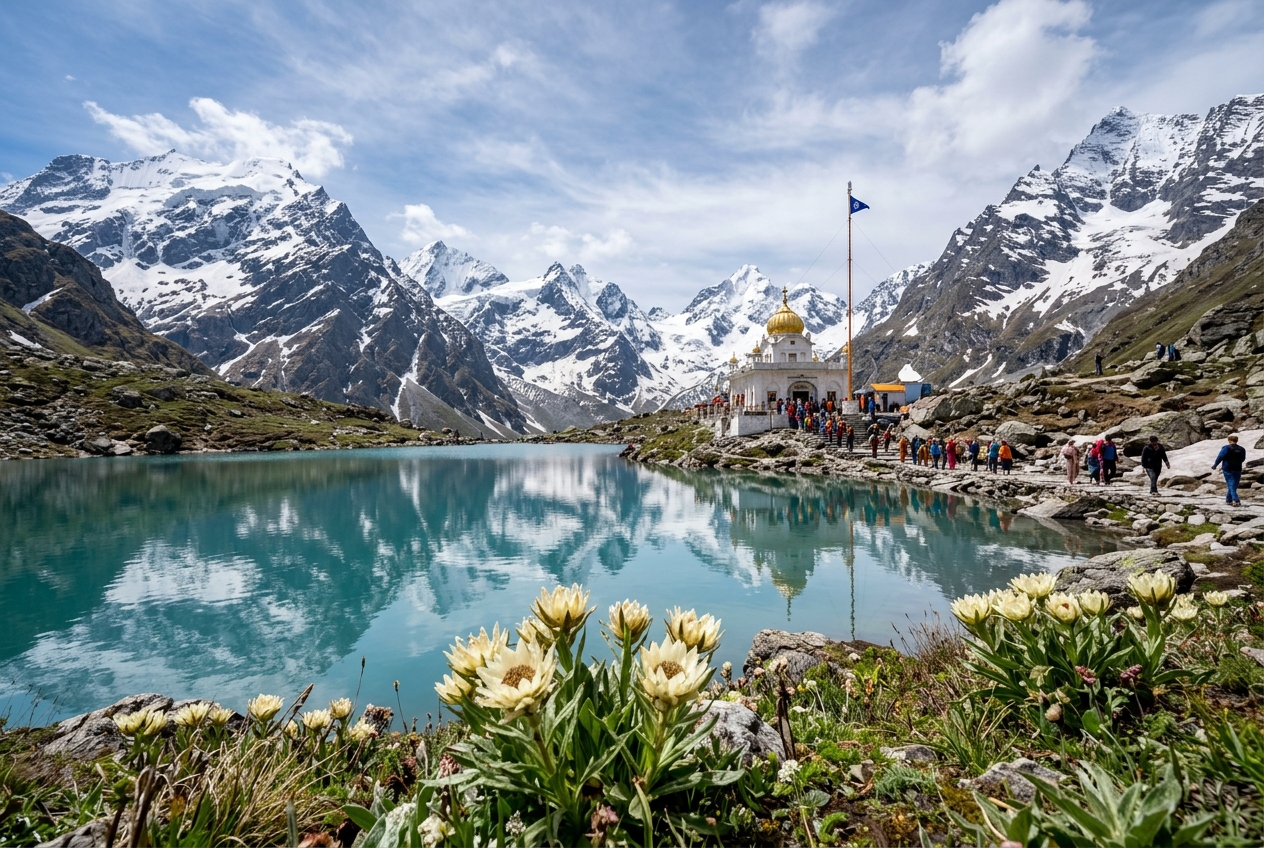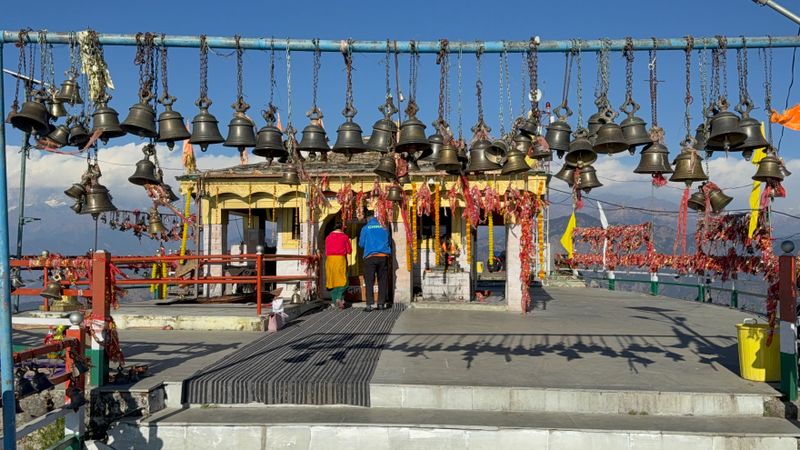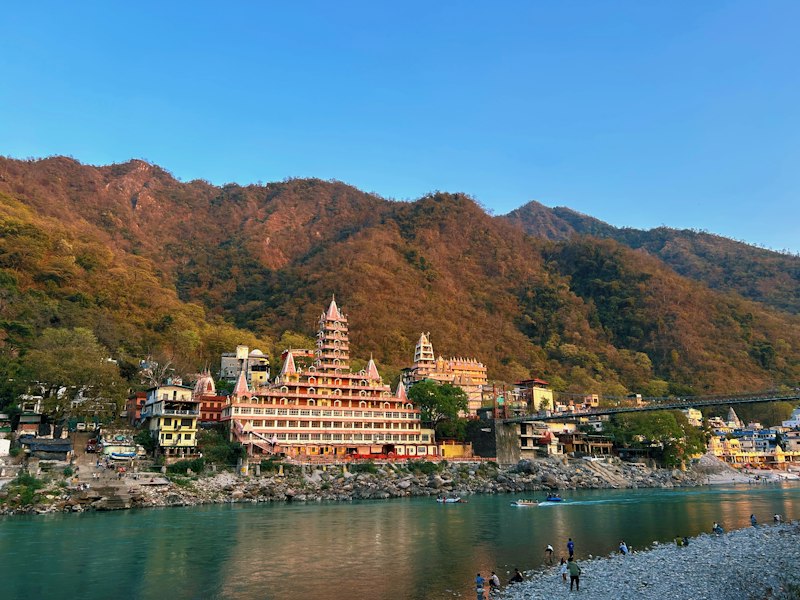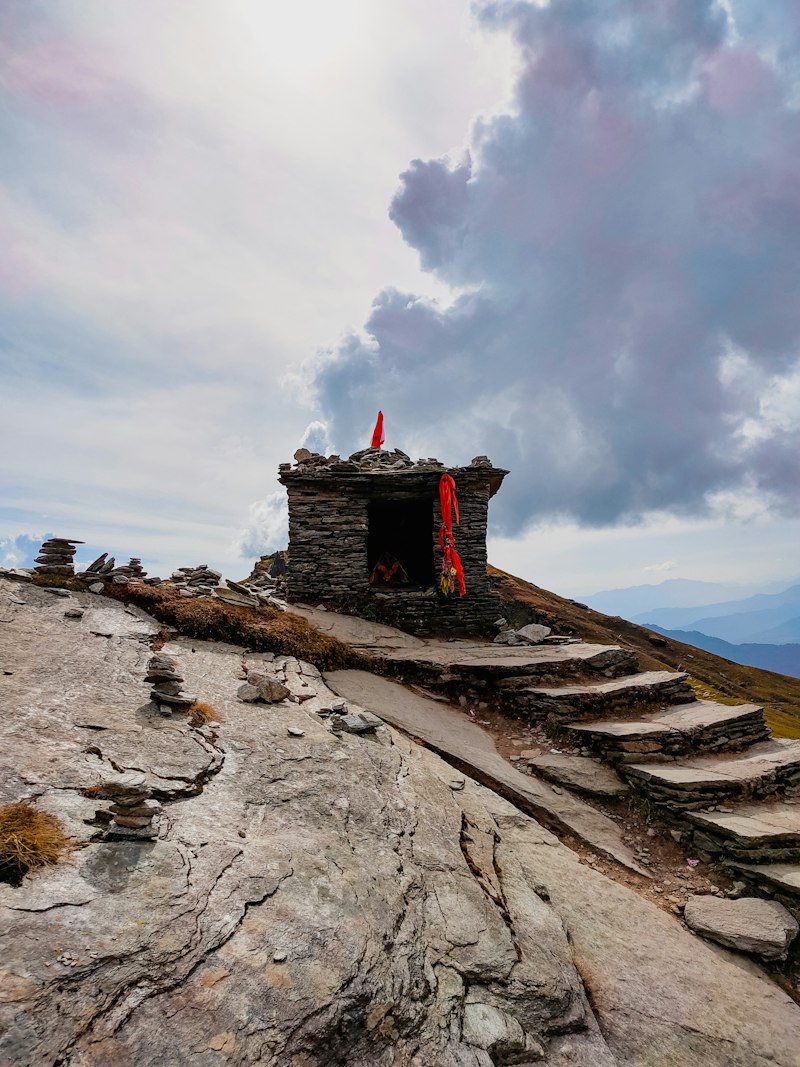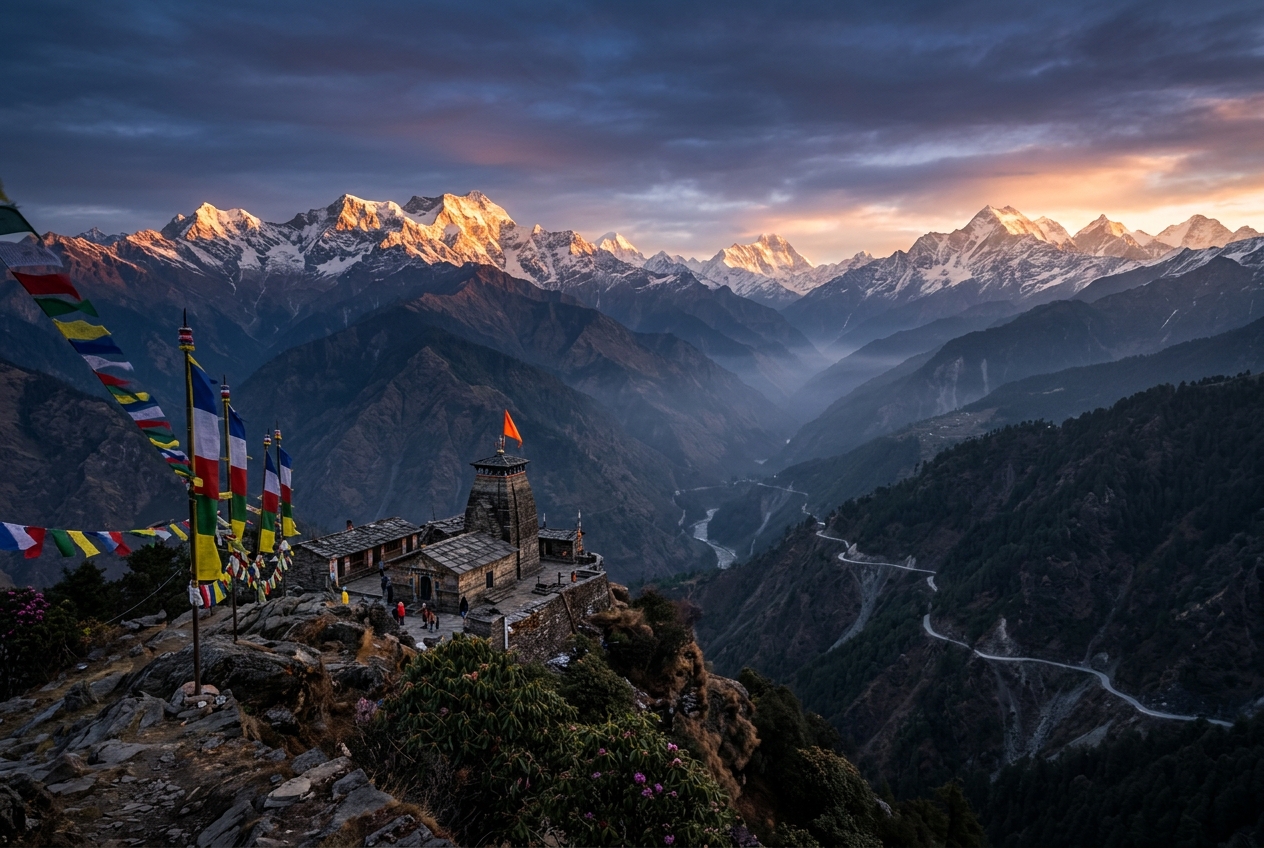
The Sacred Circuit
Char Dham Yatra, Planned Like Locals
Four shrines, one journey — Yamunotri, Gangotri, Kedarnath and Badrinath, paced across mountain days with the right night halts, trek bases and season windows.
The Four Dhams
West to East, or Your Own Order
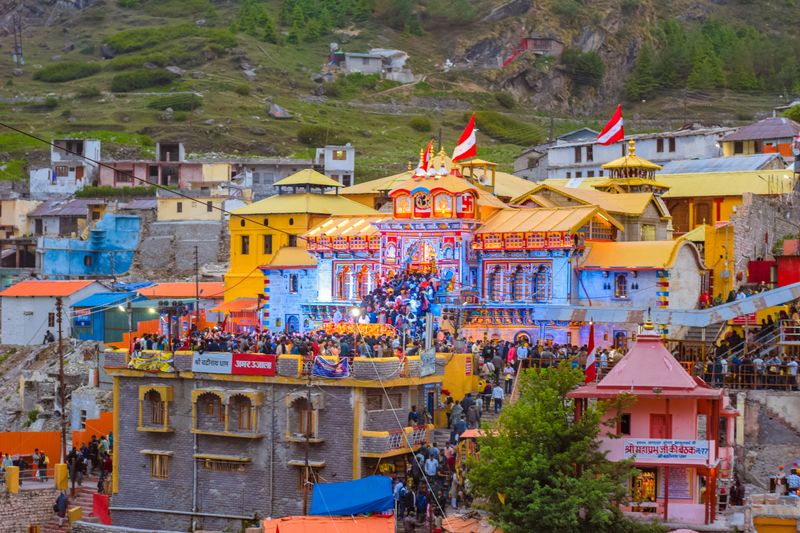
Route Planning
How the Yatra Usually Flows
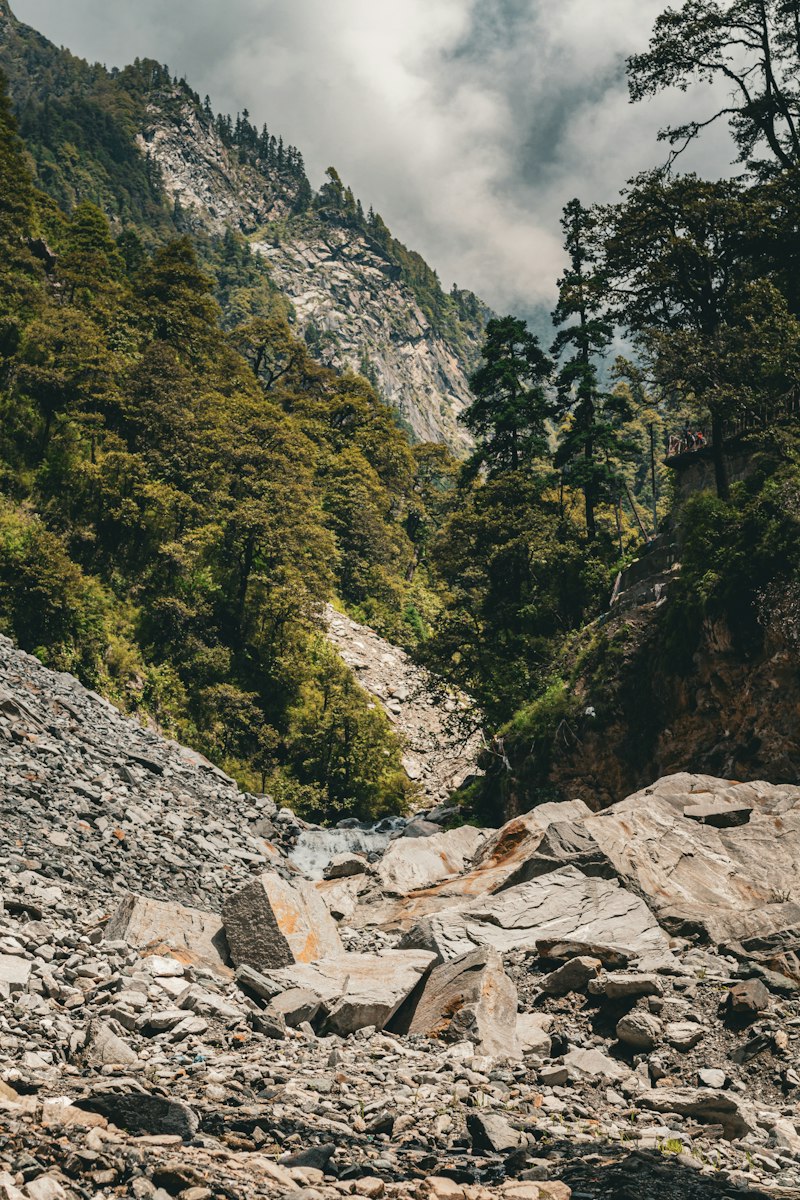
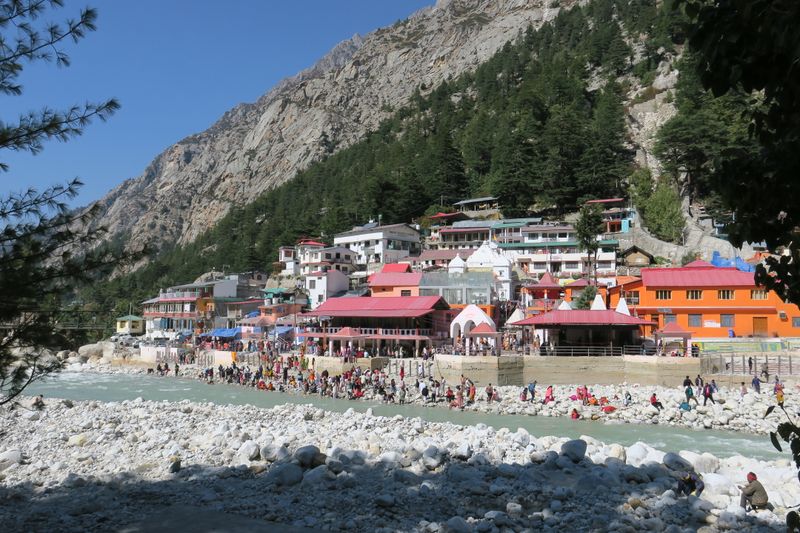
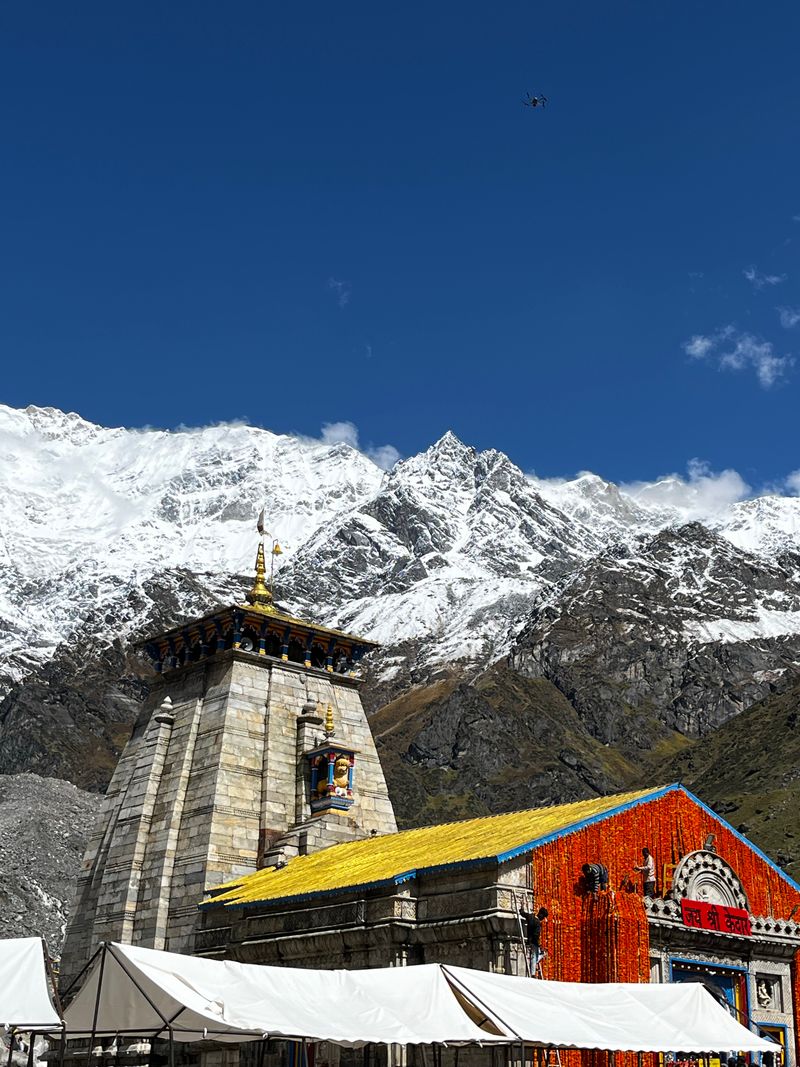
Most pilgrims travel the traditional west-to-east order — Yamunotri first, then Gangotri, Kedarnath and finally Badrinath — starting from Haridwar, Dehradun or Rishikesh. The circuit is typically planned over multiple days at a pilgrim's pace, and the shape of your plan changes with weather, darshan timings and the opening calendar of each shrine.
Barkot (for Yamunotri)
Uttarkashi (for Gangotri)
Guptkashi / Phata (for Kedarnath)
Joshimath or Pipalkoti (for Badrinath)
Night halts and day counts are indicative, not fixed — we rebuild the route around your dates, pace and the current road and weather conditions.
Registration & Yatra Rules
Pilgrims must register on the official Uttarakhand Char Dham yatra portal for Kedarnath, Badrinath, Gangotri and Yamunotri. The Yamunotri and Kedarnath shrines are reached by trek from the road head (pony and palki services are available locally). Temple opening dates change every year — typically closing through the winter months — so we always confirm the current calendar before your dates are fixed.
Multi-Day Taxi, One Crew
The whole circuit runs in our Maruti Suzuki Ertiga VXI with a hill-experienced driver who doubles as your route planner — night halts, darshan timing tips, and pickups after every trek. Tell us your days and pilgrims; we build the plan.
Best Yatra Windows
The shrines open after winter, usually around late April to May, and close around Diwali. May–June and September–October are the classic windows; monsoon weeks need flexible plans. We reconfirm dates, weather and road status with you before departure.
Beyond the Four
Extend the Journey
Add these sacred stops along the way — each opens on its own page.